
ALUMINUM – STRUCTURAL
Alcoa Technical Center & Dongfeng Motor Corporation
PART: Integrated Die-Cast Battery Pack HousingMATERIAL: C611NWEIGHT: 151 lb (68.5 kg)END MARKET: AutomotiveCaster Award Nominees: Xinyan Yan, Wang ZeZhong, & Qi YeLongCustomer: Dongfeng Motor Corporation-
FUNCTION OF PART
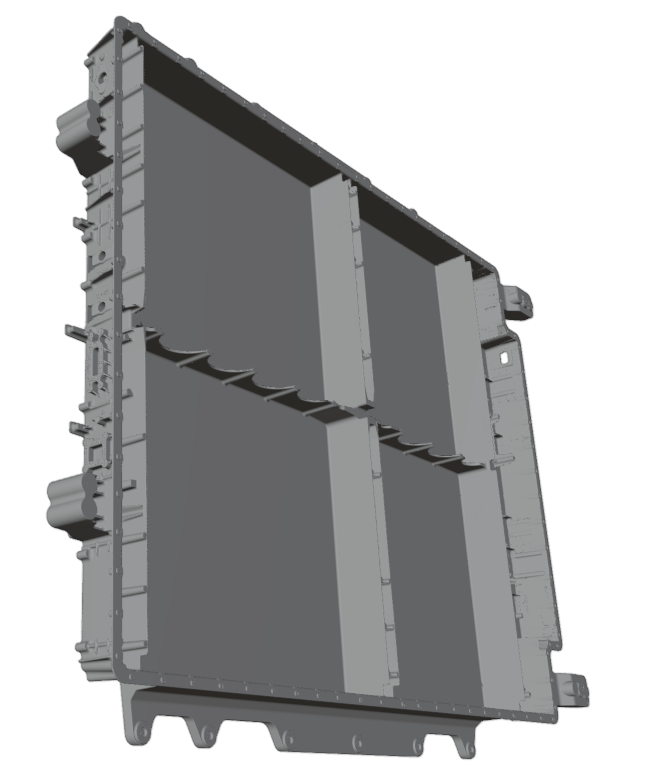
This component is the integrated battery pack housing / lower enclosure for the vehicle traction battery system. The battery system follows a modular architecture that defines fixed, series, and variable sub-components to achieve high commonality across vehicle programs.
-
PREVIOUS PROCESS TO PRODUCE PART
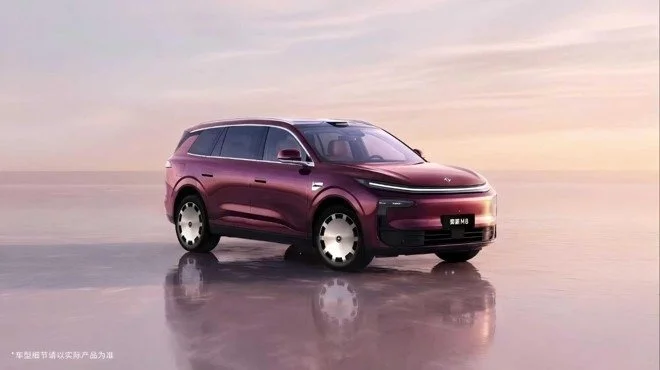
Conventional battery housings were produced from aluminum extrusions or roll-formed steel acting as the load-bearing elements. Manufacturing required multiple steps including sub-component fabrication, welding, overall CNC machining, and fastener-based assembly. The overall process chain was therefore long, especially for profile machining, arc-weld joining, and CNC finishing.
-
ADVANTAGES GAINED
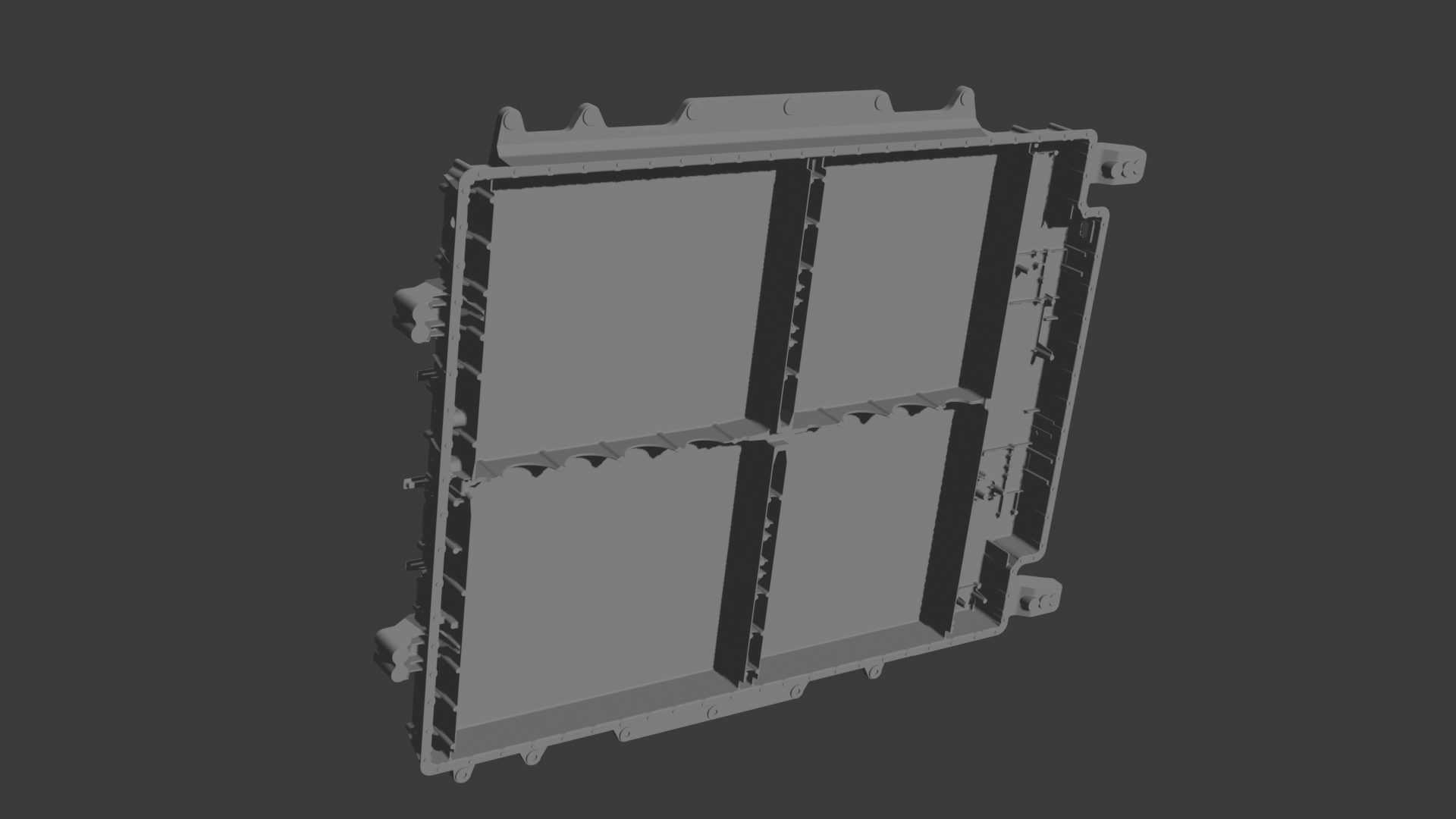
This integrated die-cast battery pack housing delivers strong advantages in design ingenuity, quality, cost, and market potential. It is a very large high-vacuum structural aluminum die casting produced on a 16,000-ton HPDC machine and is the world’s largest mass-produced integrated die-cast battery housing. The design transforms a conventional multi-piece battery enclosure into a one-piece load-bearing structure that replaces 195 aluminum extrusion / stamped sub-parts, eliminates weld weak zones, and greatly simplifies the manufacturing chain. The housing supports three configurations and two battery-capacity options with one common main body, enabling platform commonization above 90% and faster adaptation to different vehicle programs. Quality and safety are supported by extensive closed-loop validation including vibration, shock, crush, bottom-ball-impact, waterproofing, salt spray, temperature shock, air-tightness, stiffness, road durability, fast-charge cycle, and vehicle crash testing.
The project also delivers short cycle time (less than 150 seconds), lightweighting, higher structural performance, and a new heat-treatment-free cast aluminum material, making it a highly compelling solution for next-generation EV battery systems.